
As a parent, you’ve probably wondered whether those crooked teeth or that overbite will straighten out on their own. Sometimes they do. Often, they don’t. Knowing the warning signs that your child needs braces early can save your family from bigger problems down the road, and it can save you time, money, and stress.
This guide walks you through what to watch for, when to schedule an evaluation, and what to expect if your child does need braces.
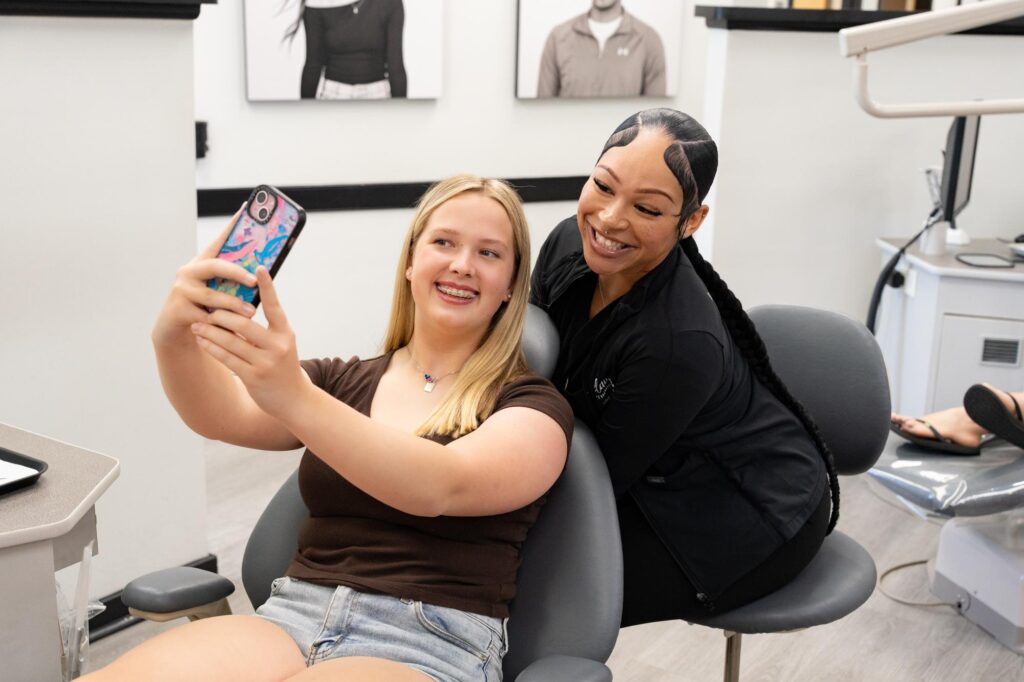
What It Means When a Child Needs Braces
Braces correct malocclusions, the technical term for misaligned teeth and bites, during a period when your child’s jaw is still actively growing. This makes childhood one of the most effective times to address orthodontic problems.
Common issues include crowding, spacing, overbite, underbite, crossbite, and openbite. Most of these problems are genetic, passed down through families. Others develop from habits like thumb sucking, chronic mouth breathing, or the early loss of baby teeth before permanent ones are ready to come in.
Left untreated, these issues can lead to tooth decay, gum disease, jaw pain, uneven wear on enamel, and even speech difficulties. The American Association of Orthodontists (AAO) recommends that every child have a first orthodontic evaluation no later than age 7. At Delaware Orthodontics, this early visit lets us spot developing problems while your child’s jaw is still flexible and responsive to treatment, often making later care simpler or unnecessary.
7 Warning Signs Your Child May Need Braces
Not every crooked tooth means braces are on the horizon. But certain signs strongly suggest an orthodontic evaluation is worth scheduling. Here are seven to watch for:
- Crowded, crooked, or overlapping teeth. As permanent teeth erupt, they may twist or overlap because there isn’t enough room in the jaw. This is one of the most common reasons kids need braces.
- Noticeable gaps between teeth. Spacing that persists after the permanent teeth have come in can indicate missing teeth, small teeth, or jaw size issues that need attention.
- Early or late loss of baby teeth. Baby teeth typically start falling out around age 6. If your child loses teeth before age 5 or still has most of them past age 8, it may signal a developmental concern.
- Difficulty chewing, biting, or speaking clearly. Trouble eating certain foods, biting the inside of the cheek, or a persistent lisp can point to bite misalignment.
- Mouth breathing, snoring, or sleeping with the mouth open. These habits can affect facial development, jaw growth, and even sleep quality. They often go hand in hand with narrow arches or bite problems.
- Visible overbite, underbite, crossbite, or openbite. When your child’s jaws are closed, look at how the teeth line up. If the upper and lower teeth don’t meet properly, that’s a clear sign to schedule an evaluation.
- Jaw shifting, clicking, or frequent cheek and tongue biting. A jaw that shifts to one side when closing, or makes popping sounds, may indicate a bite issue that will worsen without treatment.
If you notice one or more of these signs, it doesn’t automatically mean braces are needed. It does mean a professional look is worthwhile.
Benefits of Catching Orthodontic Issues Early
Early evaluation isn’t about rushing your child into treatment. It’s about giving your orthodontist the chance to monitor development and step in at the right moment, if intervention is needed at all. Waiting too long can turn a manageable problem into a complex one.
Here’s why early attention matters:
- Guides jaw growth while bones are still developing. A child’s jaw is more responsive to gentle correction than an adult’s. Expanders, spacers, and partial braces can shape growth in ways that aren’t possible later.
- Creates space for permanent teeth. Addressing crowding early can reduce or eliminate the need for tooth extractions down the line.
- Prevents worsening bite problems. Overbites, underbites, and crossbites tend to become more entrenched with age. Correcting them in childhood is usually faster and less invasive than treating them as an adult.
- Lowers long-term risk of decay and gum disease. Straight, well-aligned teeth are easier to brush and floss, which protects oral health for life.
- Reduces enamel wear. Misaligned bites cause uneven pressure on certain teeth, wearing down enamel over time.
- Improves chewing, speech, and facial balance. Proper alignment supports better function and a more balanced facial appearance as your child grows.
- Boosts self-confidence. Kids are aware of how their smiles look. Addressing crooked teeth or noticeable bite issues can make a real difference in social comfort during formative years.
At Delaware Orthodontics, our orthodontists use early evaluations to build a treatment plan that fits your child’s specific stage of development. In many cases, we recommend a “watch and wait” approach rather than immediate treatment. The goal is always the least amount of intervention for the best possible result.

Bite Problems Explained: Overbite vs. Underbite vs. Crossbite vs. Openbite
Not all bite problems look the same, and each affects your child differently. Understanding the type of bite issue helps you understand why treatment matters.
| Bite Type | What It Looks Like | Common Issues It Causes |
|---|---|---|
| Overbite | Upper front teeth extend significantly over the lower teeth when biting down | Excessive wear on lower teeth, jaw strain, higher risk of front tooth injury |
| Underbite | Lower teeth protrude past the upper teeth due to jaw imbalance | Difficulty chewing, speech problems, uneven facial appearance |
| Crossbite | Some upper teeth sit inside the lower teeth when the jaws are closed | Jaw shifting, asymmetric growth, tooth wear on affected sides |
| Openbite | Front teeth don’t touch when the back teeth are closed | Trouble biting into food, lisping or speech issues, tongue-thrust habits |
Each of these problems has its own treatment approach. An overbite might need bite correction with braces and elastics. A crossbite often responds well to a palatal expander used early. An underbite may benefit from early intervention with growth-modifying appliances.
The takeaway: the type of bite issue matters as much as the fact that one exists. That’s why a professional evaluation is so valuable, guessing from photos or descriptions online isn’t a reliable substitute.
Best Age for a Child to Get Braces
There’s no single “right” age, but there are clear guidelines that help.
Age 7: First evaluation. The AAO recommends every child see an orthodontist by age 7. By this age, enough permanent teeth have come in for us to spot developing issues, even if treatment isn’t needed yet.
Ages 5–9: Early (Phase 1) treatment. For kids with significant jaw growth issues, crossbites, or severe crowding, early treatment can guide development before all permanent teeth arrive. This often involves expanders or partial braces.
Ages 10–14: Full braces. Most children begin full orthodontic treatment during this window, once most or all permanent teeth have erupted. The jaw is still growing, making it a good time for corrections.
Age 6 and up: clear aligner options. Some clear aligner systems are designed for younger children and can address early alignment issues without traditional metal brackets.
Every child develops on their own timeline. At Delaware Orthodontics, our orthodontists evaluate each case individually, factoring in dental development, jaw growth, and the severity of any issues to recommend the right timing.
Frequently Asked Questions About Kids and Braces
What are the early signs my child needs braces?
The most common early signs include crowded or crooked teeth as permanent teeth come in, noticeable gaps, visible bite issues (overbite, underbite, crossbite, openbite), difficulty chewing or speaking, mouth breathing, and early or late loss of baby teeth. If you notice any of these, schedule an orthodontic evaluation to get a professional assessment.
What is the best age for a kid to get braces?
Most children get full braces between ages 10 and 14, when most permanent teeth have come in and the jaw is still growing. However, the AAO recommends a first orthodontic evaluation by age 7 to catch issues that benefit from earlier intervention.
Who is the youngest kid who can get braces?
Children as young as 6 or 7 can begin early orthodontic treatment (Phase 1) if they have significant bite or jaw growth issues. Clear aligner options are available for kids in this age range. However, most children don’t need braces this early, and treatment at this age is reserved for specific developmental concerns.
How long will my child wear braces?
Most children wear braces for 12 to 24 months, though treatment length depends on the complexity of the case. Some minor corrections take less time, while more involved cases may run longer. Your orthodontist will provide a personalized estimate after the initial evaluation.
Do braces hurt kids?
Braces don’t typically hurt, but mild soreness is normal for a few days after they’re first placed and after each adjustment. Over-the-counter pain relievers, soft foods, and orthodontic wax for any irritation usually handle the discomfort. Most kids adjust quickly and forget the braces are even there within a week or two.
If you’ve noticed any warning signs in your child’s smile, or if they’re approaching age 7 and haven’t had a first orthodontic evaluation, now’s the right time to schedule a visit. The team at Delaware Orthodontics can help you understand what’s happening with your child’s teeth and whether treatment is needed, or if watchful waiting is the better path. Learn more about scheduling a consultation with our team to get started today.
